Carlo
Meaning of Carlo
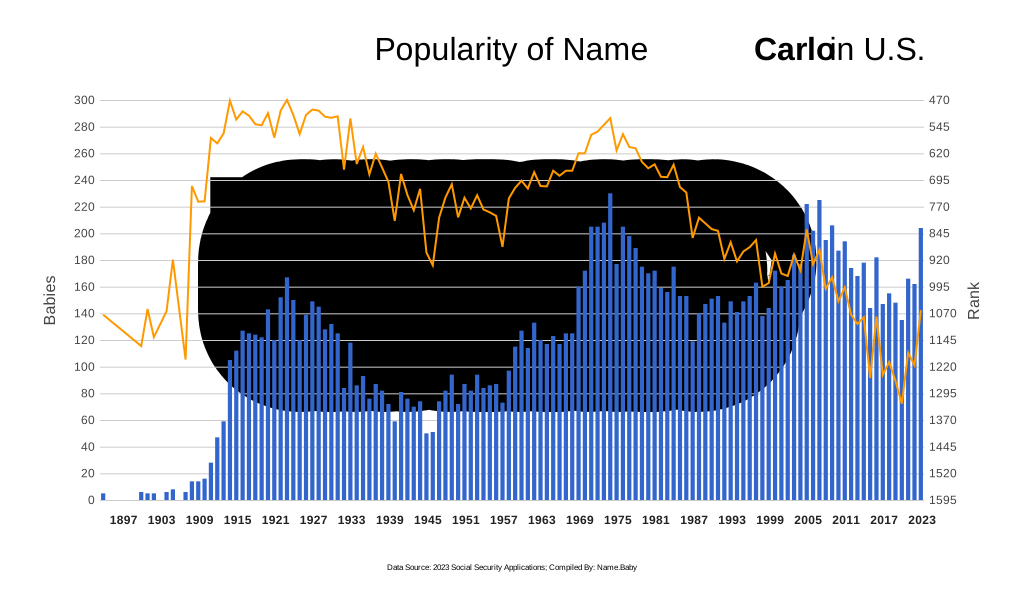
Carlo is the spirited Italian cousin of Charles, springing from the Old German Karl, “free man,” yet carrying the relaxed swagger of a Roman holiday. Pronounced KAHR-loh, the name rolls off the tongue like a sip of frothy cappuccino—rich, concise, and pleasantly lingering. Over the decades in the United States, Carlo has danced up and down the popularity charts, never quite storming the Top 500 but always keeping a loyal fan club, a bit like a character actor who steals scenes without hogging the spotlight. History loans it gravitas through Saint Charles Borromeo (San Carlo in Italian) and modern culture sprinkles in flair via maestro conductor Carlo Maria Giulini, Nobel-prize physicist Carlo Rubbia, and football tactician Carlo Ancelotti. For parents seeking a name that marries classical poise with everyday approachability, Carlo offers the balance of pasta al dente—firm, satisfying, and subtly sophisticated. Picture a little Carlo racing through Mumbai’s monsoon puddles with the same zest as a bambino chasing pigeons in a Florentine piazza: East and West meeting in one spirited, four-letter salute to freedom.
Pronunciation
Italian
- Pronunced as KAHR-loh (/ˈkɑr.lo/)
U.S. Popularity Chart
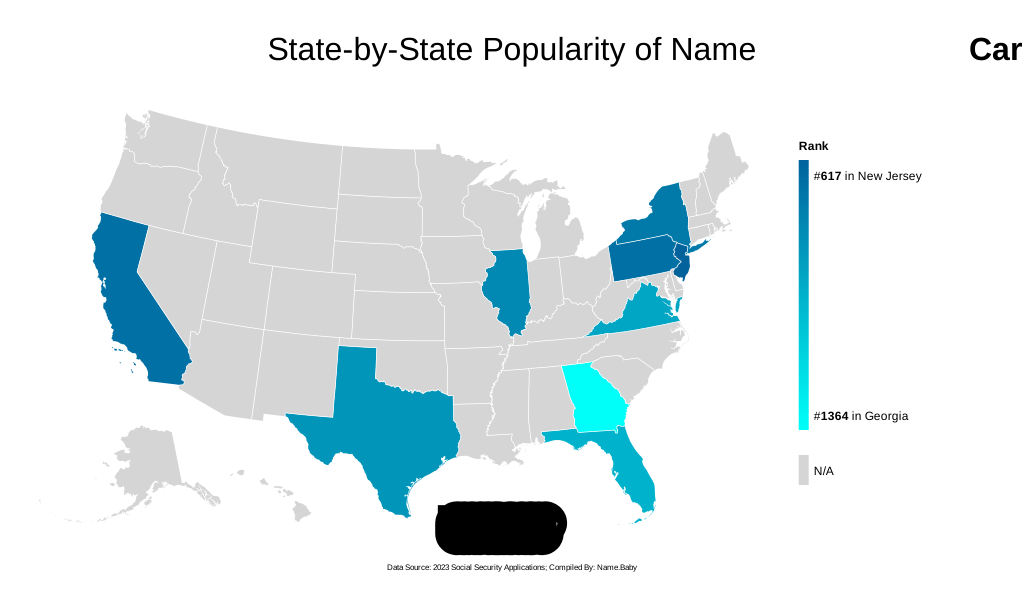
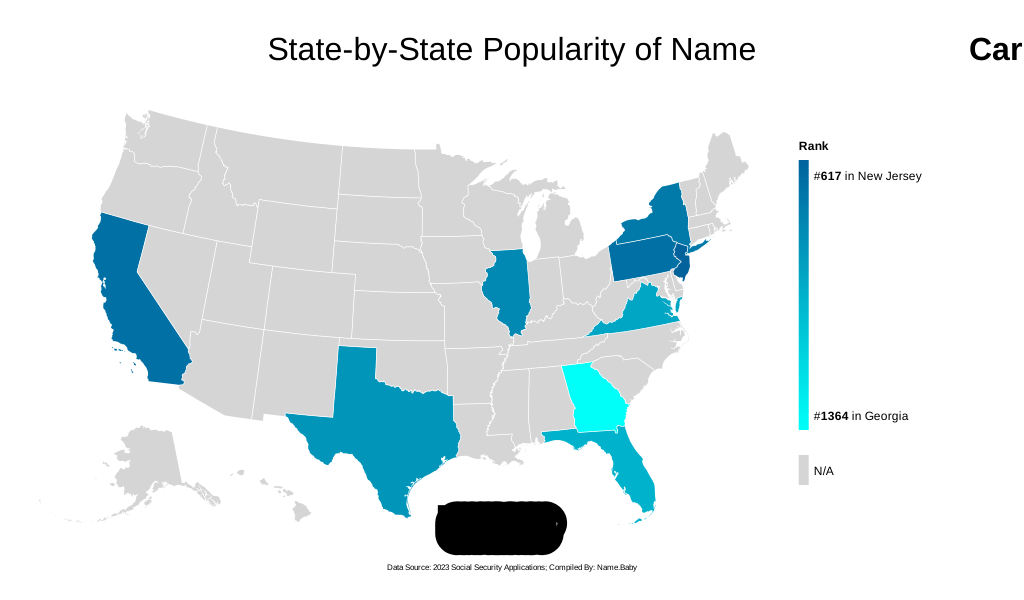
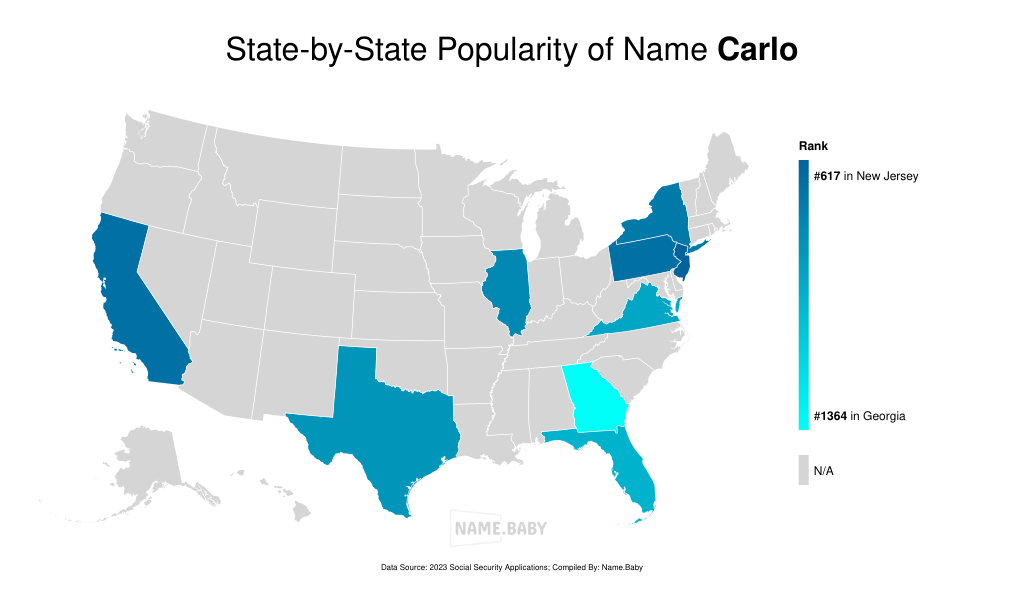
States Popularity Chart
Notable People Named Carlo
| Carlo Ancelotti is an Italian football legend who coaches Brazil's national team and is considered one of the greatest managers ever. |
| Carlo Acutis was a London-born Italian teenager who used his self-taught computer skills to share his deep love of the Eucharist and the Catholic faith. |
| Carlo Gesualdo was an Italian prince and composer famed for his strikingly modern madrigals and for murdering his first wife and her lover. |
| Carlo Maria Martini was an Italian Jesuit and Biblical scholar who served as Archbishop of Milan from 1980 to 2002 and became a cardinal in 1983. |
| Carlo Goldoni was a Venetian playwright and librettist whose witty, honest comedies about middle class life made him one of Italy's most beloved dramatists. |
| Carlo Rubbia is an Italian physicist who shared the 1984 Nobel Prize in Physics for helping discover the W and Z particles at CERN. |
| Carlo Emilio Gadda was an Italian writer and poet who livened up the stiff Italian of his day with dialect, technical jargon and playful wordplay. |
| Carlo Collodi was the Italian author best known for writing The Adventures of Pinocchio. |
| Carlo Carrà was a leading Italian Futurist painter who also wrote books on art and taught for many years in Milan. |
| Carlo Verdone is an Italian actor, writer and director loved for comedies like Fun Is Beautiful, who has taken on more serious themes since the 1990s. |
