Eldred
Meaning of Eldred
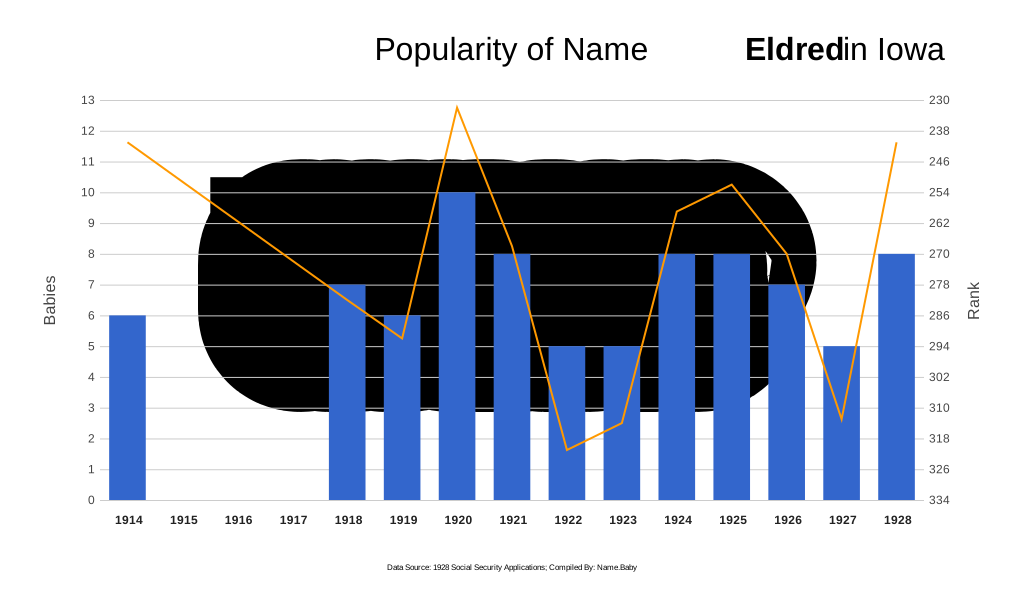
Eldred, pronounced EL-dred (/ˈɛl.drɛd/), emerges from the Old English elements æþel “noble” and ræd “counsel,” coalescing into a nomen whose very syllables resonate with archaic gravitas. Like an ancient manuscript illuminated by the flicker of candlelight, this appellation unfolds layers of meaning rooted in the ethos of medieval Britannia, where sagacity and status were enmeshed as inseparably as columns in a Roman basilica. Philologically speaking, scholars trace its lineage through Anglo-Saxon charters, noting its recurrence among landholding gentry whose deliberations steered the cursus honorum of their shires. Though its vogue has since diminished—its zenith in early twentieth-century Iowa modestly punctuating birth records in a demographic pond scarcely rippled by innovation, more cameo than headliner—it persists as a verbum vetus, a venerable appellation that bestows upon its bearer an aura of counsel and fortitude. In an age dominated by ephemeral trends, Eldred stands as a beacon of perennial erudition, its resonance echoing through the annals of history like a sonorous orator addressing the Senate of Time.
Pronunciation
English
- Pronunced as EL-dred (/ˈɛl.drɛd/)
U.S. Popularity Chart
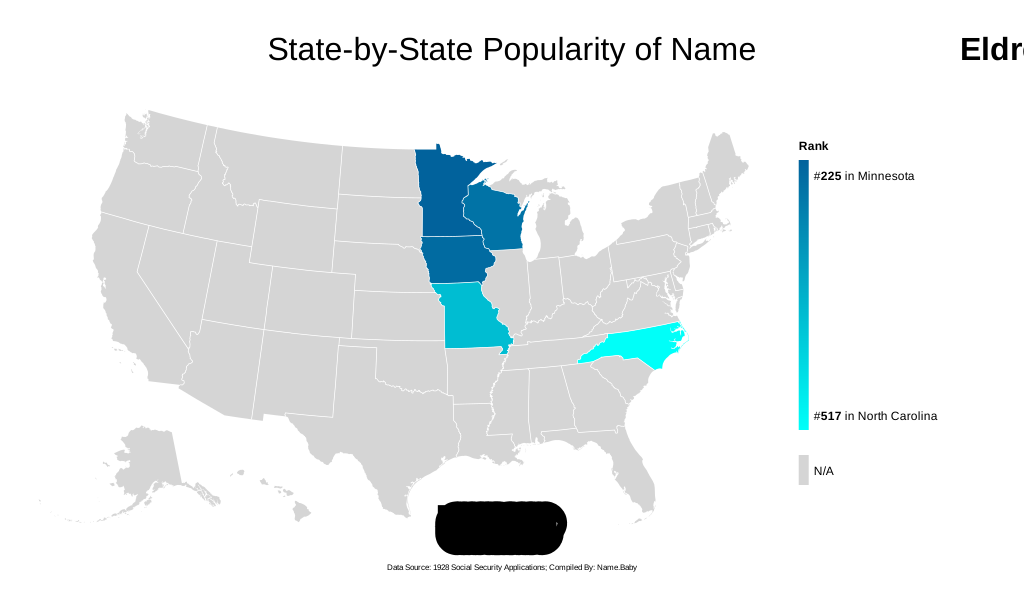
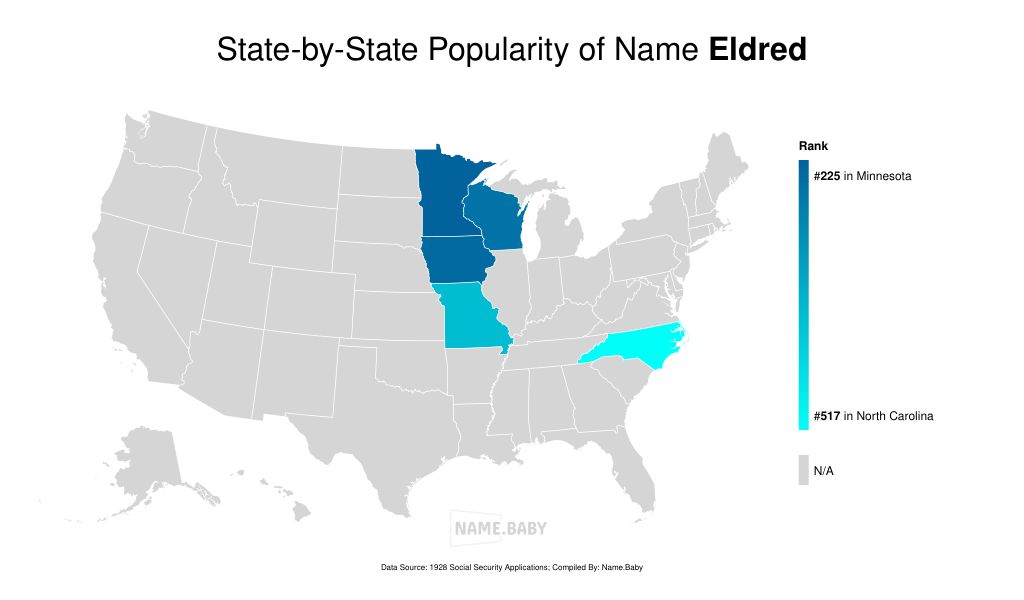
States Popularity Chart
Notable People Named Eldred
| Eldred Kurtz Means was an American clergyman, public speaker, and author whose Louisiana fiction relied on racist stereotypes of African Americans. |
| Eldred Hallas was a British politician who represented Birmingham Duddeston in Parliament from 1918 to 1922. |
| Eldred Nathaniel Woodcock was a Pennsylvania hunter and trapper whose stories became the book Fifty Years a Hunter and Trapper. |
| Eldred Evans was a British architect who designed Tate St Ives with her partner David Shalev. |
