Mai
Meaning of Mai
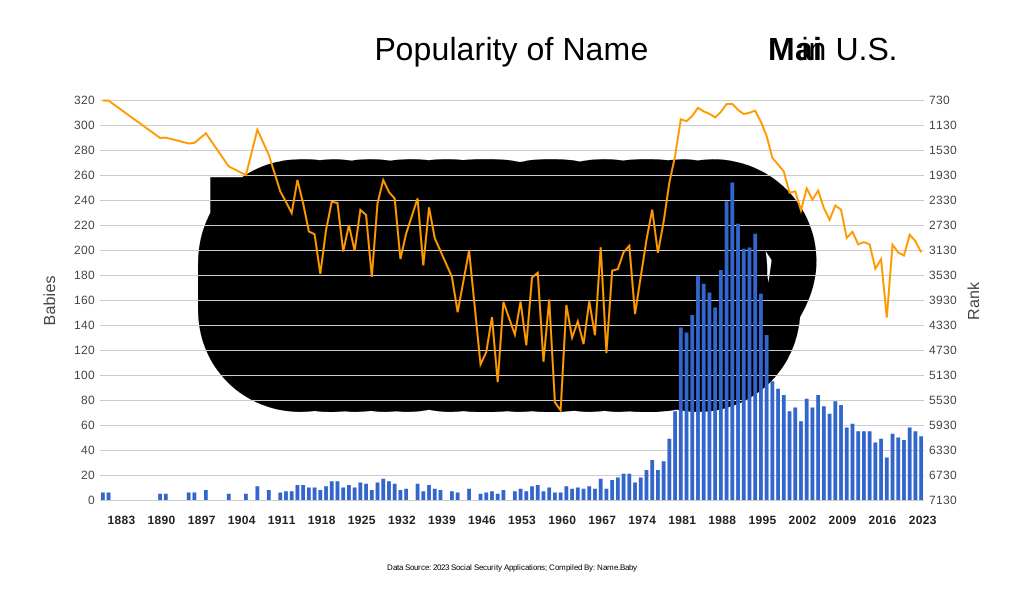
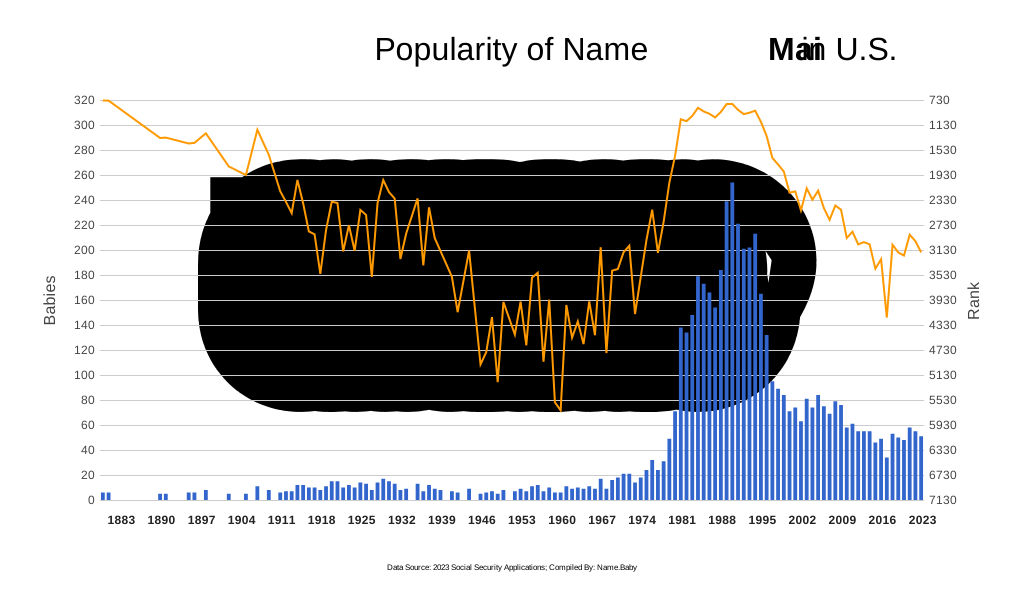
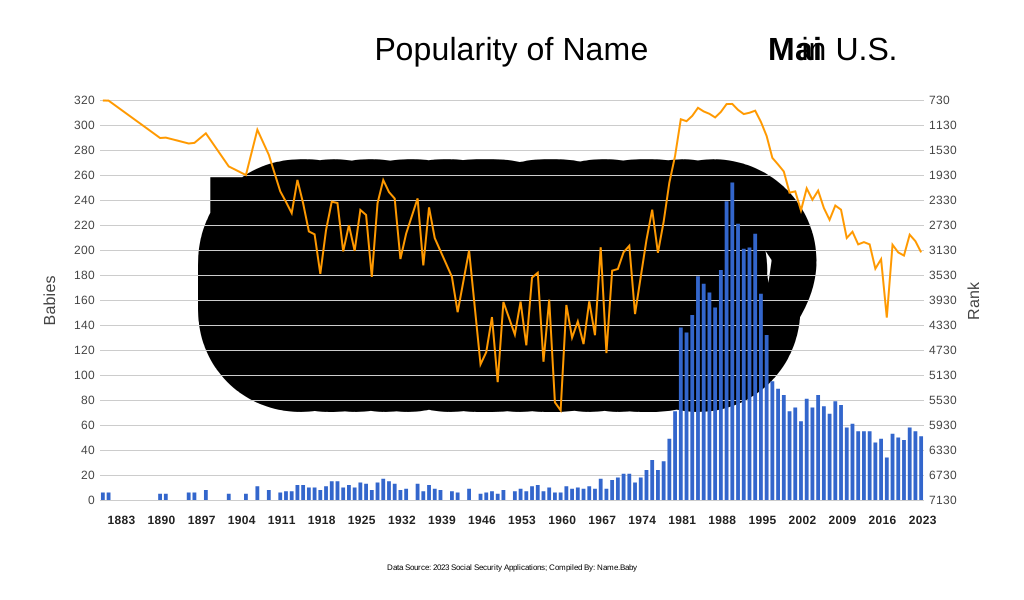
Mai, pronounced like the word “my,” is a pocket-sized name whose roots travel from the lantern-lit lanes of Hanoi to the cherry-scented shrines of Kyoto. In Vietnamese, it evokes the golden apricot blossom that bursts open for Tết, a living promise of renewal and prosperity; in Japanese, its many kanji spellings can whisper “dance,” “true love,” or even the soft rustle of a “flax robe,” offering parents a bouquet of meanings to choose from. Though only one crisp syllable long, Mai has been tiptoeing through American baby charts for over a century—hovering around the 800–900 mark in recent years—making her familiar yet delightfully uncommon. Indian hearts, meanwhile, may hear a sweet echo of the endearing “mai” for mother in certain dialects, or sense kinship with the word “mahi,” meaning beloved, lending the name an extra measure of warmth. All told, Mai is that rare blossom of a name—graceful, globe-trotting, and ever ready to tuck a little sunshine behind the ear of its bearer.
Pronunciation
Vietnamese,Japanese
- Pronunced as my (/miː/)
U.S. Popularity Chart
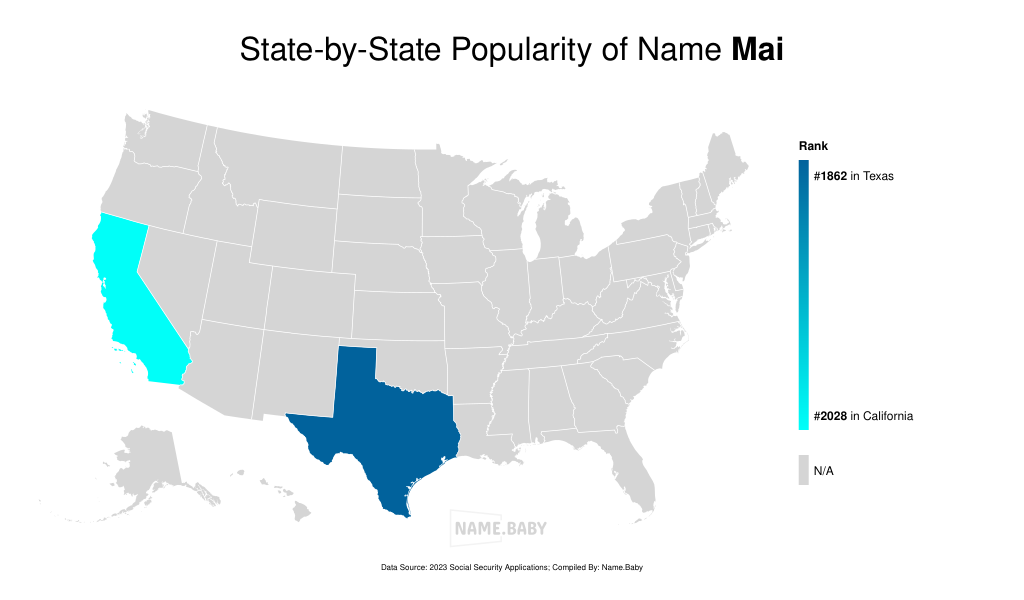
States Popularity Chart
Notable People Named Mai
| Mai Kuraki is a Japanese pop and R and B singer whose debut album, Delicious Way, became Japan's bestselling album of 2000. |
| Mai Mihara is a Japanese former figure skater and Grand Prix Final champion who won two Four Continents titles. |
| Mai Shiraishi is a Japanese actress, model, YouTuber, and former member of the idol group Nogizaka46. |
| Mai Elisabeth Zetterling was a Swedish actress, film director and novelist. |
| Mai Mizuhashi, known as MARiA, is a Japanese singer and dancer famed for her viral dance videos and work with the pop rock duo Garnidelia. |
| Mai Charoenpura, formerly known as Mai Siriwimol, is a Thai singer and actress. |
| Mai Kudo is a Japanese pop singer who debuted as Ruppina and sang Free Will, an ending theme for One Piece. |
| Mai Hoshimura is a Japanese pop singer, songwriter and pianist. |
| Mai Nakamura is a Japanese synchronized swimmer who competed in the 2012 Olympics and won team bronze in 2016. |
