Selim
Meaning of Selim
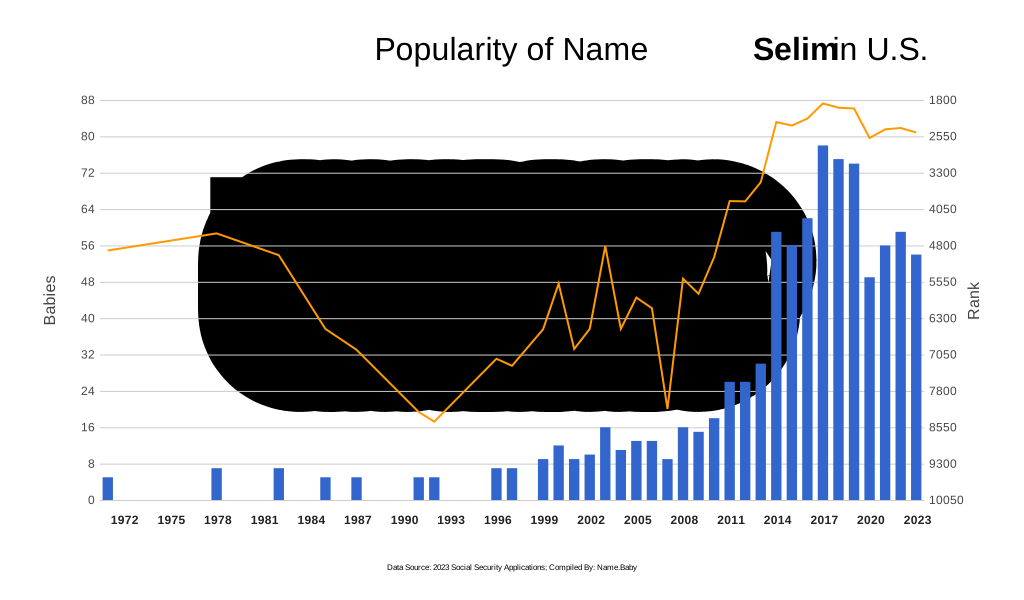
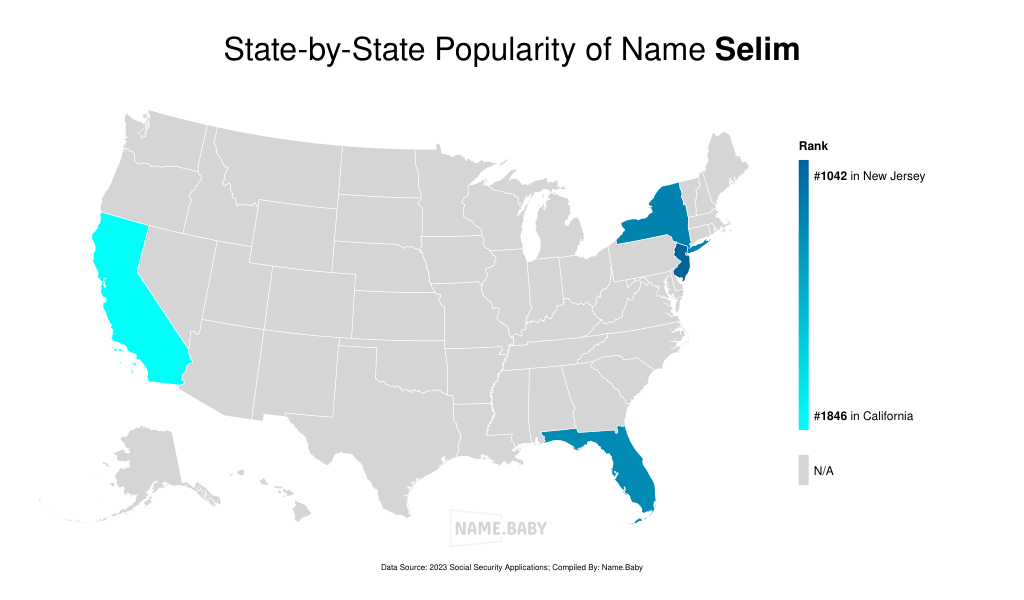
Selim (pronounced “seh-LEEM”) stems from the Arabic root s-l-m, conveying the ideas of safety, peace, and wholeness; over centuries, the name moved northward through Ottoman influence and became equally at home in Turkish. History buffs will recognize it on the signet rings of three Ottoman sultans—Selim I the Conqueror, Selim II the Sot, and Selim III the Reformer—whose varied legacies give the name a quietly imperial undertone without tipping into grandiosity. In the contemporary United States, however, Selim occupies a modest niche: yearly tallies since the 1970s hover in the high double digits, keeping the name just inside the Top 1,000 while sparing it from playground overexposure. For anglophone parents, that combination—global pedigree, straightforward spelling, and a gentle meaning that whispers “peace” rather than shouting it—makes Selim a measured, distinctive choice.
Pronunciation
Arabic
- Pronunced as seh-LEEM (/sɛˈli:m/)
Turkish
- Pronunced as seh-LEEM (/sɛˈlim/)
U.S. Popularity Chart
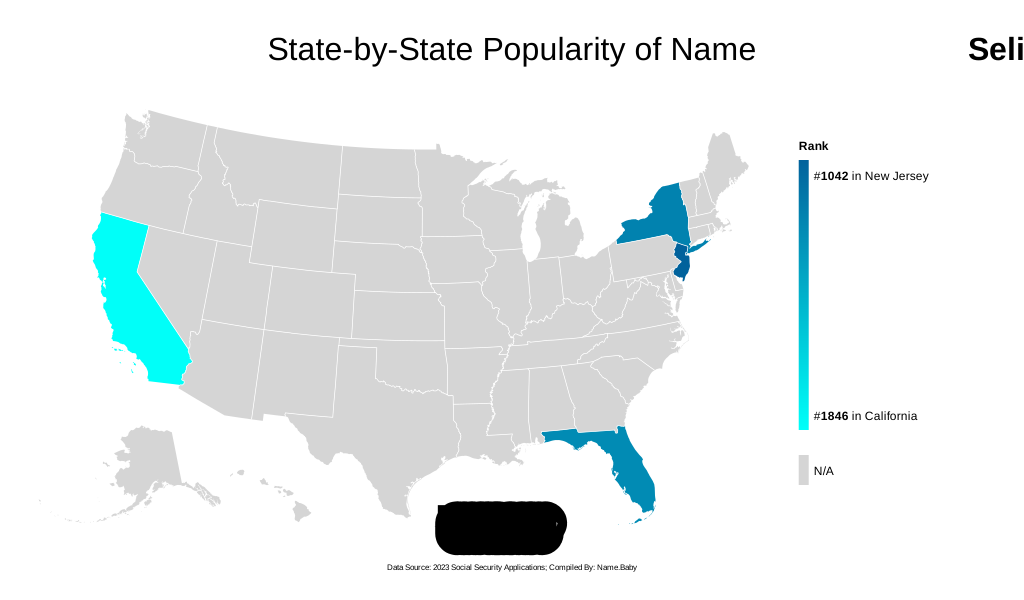
States Popularity Chart
Similar Names to Selim
Notable People Named Selim
| Selim I was an Ottoman sultan who expanded the empire by seventy percent during his reign from 1512 to 1520. |
| Selim III ruled the Ottoman Empire as sultan from 1789 to 1807. |
| Selim E. Woodworth was a U.S. Navy commander, prominent San Francisco businessman, and member of the Woodworth political family. |
| Selim Mouzannar is a French-Lebanese jeweler and civic activist who founded his namesake jewelry house in Beirut. |
| Selim Amallah is a Belgian-born midfielder who plays for Khor Fakkan and the Morocco national team. |
| Selim Arvid Lindqvist was a leading Finnish architect known for his Art Nouveau buildings in Helsinki around 1900. |
| Selim Kuneralp is a retired Turkish diplomat. |
