Shanta
Meaning of Shanta
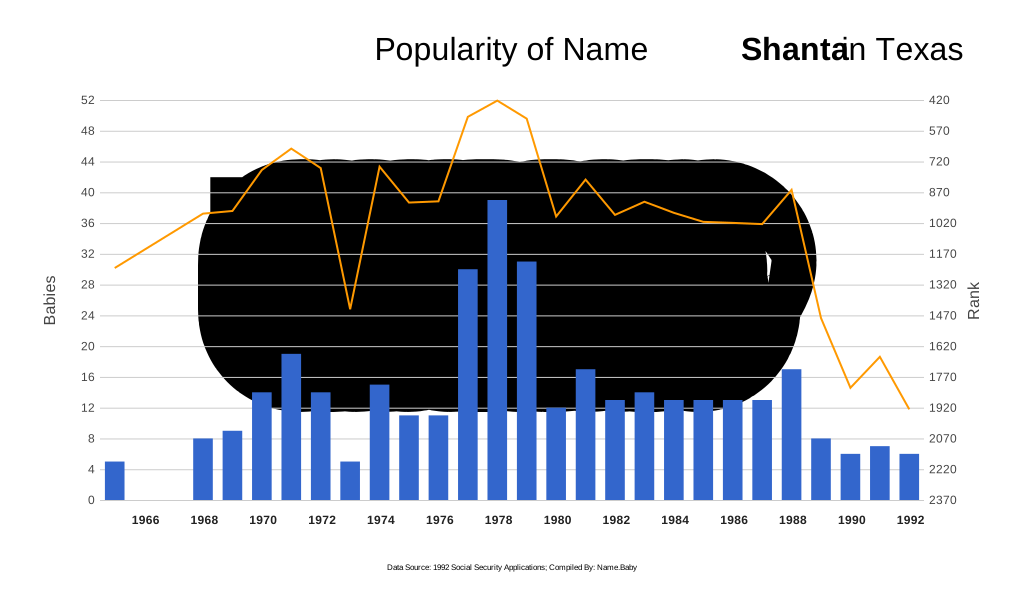
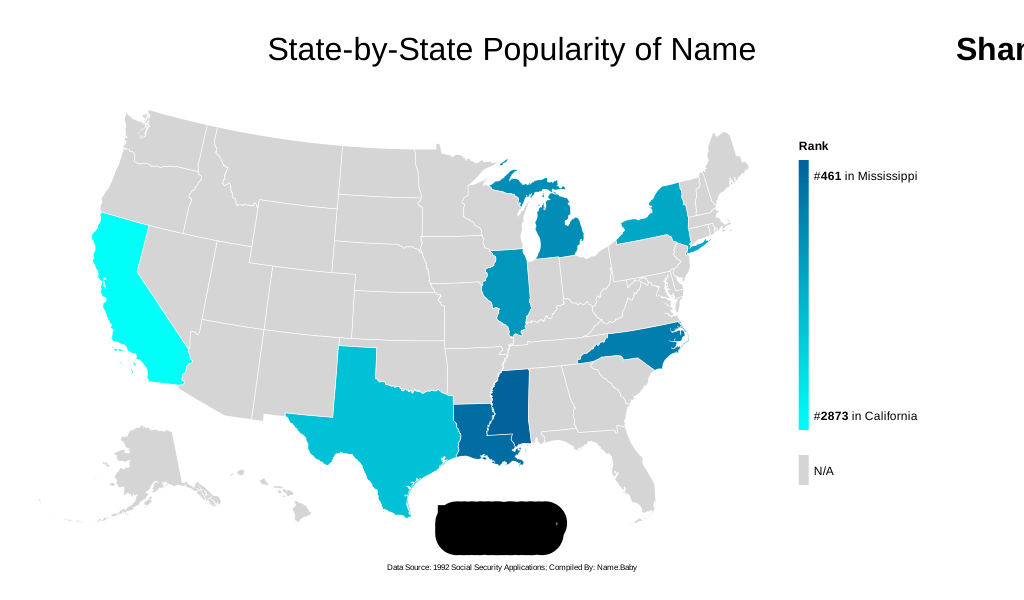
Shanta (/ʃæntə/), drawn from the Sanskrit root śānta meaning “peaceful” or “tranquil,” carries the quiet elegance of a moonlit river at dawn. In the ancient epic Ramayana, Shanta—daughter of King Dasharatha—embodies poised grace and steadfast devotion, weaving a legacy of familial love and inner strength. Although its appearance on Texas birth records during the 1970s through the early 1990s remained modest, the name’s gentle cadence and cultural resonance have ensured its timeless appeal. Soft yet memorable, Shanta offers parents a warm blend of serenity and heritage—a name that softly speaks of calm hearts, enduring traditions, and the promise of peaceful beginnings.
Pronunciation
English
- Pronunced as SHAN-tuh (/ʃæntə/)
U.S. Popularity Chart
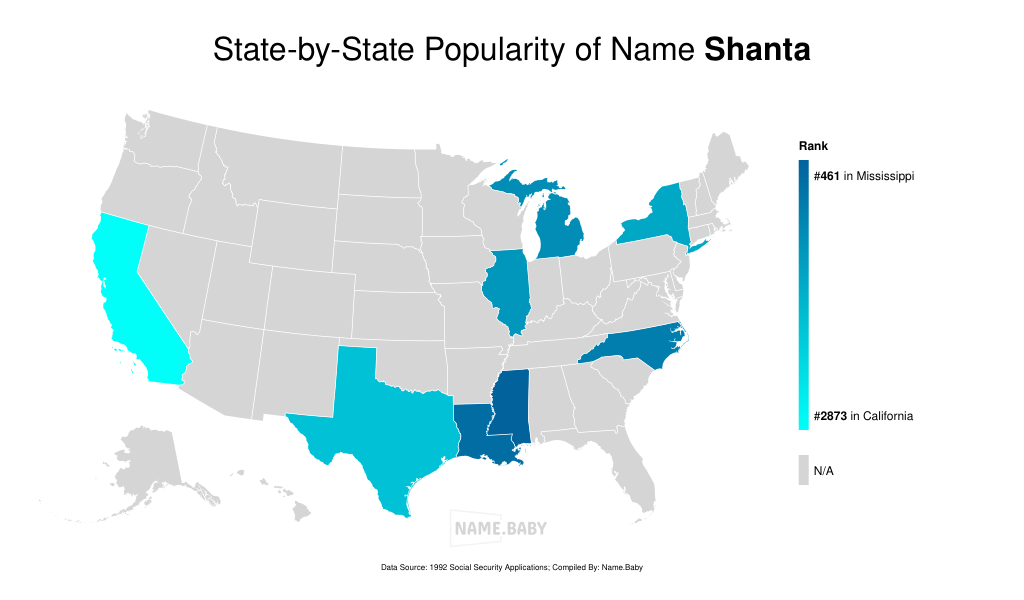
States Popularity Chart
Notable People Named Shanta
| Shanta Gokhale is an Indian writer, translator, journalist and theatre critic best known for Rita Welinkar and Tya Varshi. |
| Shanta Shelke was an Indian poet, writer, journalist, and academic known for her Marathi poetry, songs, and children's literature. |
| Shanta Rao was an award-winning Indian dancer known for Kathakali, Bharatanatyam and Kuchipudi. |
| Shanta Das Manandhar was a Nepalese pioneer of children's literature who published over 24 books and translated English fairy tales into Nepali. |
