Tzvi
Meaning of Tzvi
Tzvi, whispered through the teeth like a silver arrow—ts-vee—traces its antlered silhouette back to Hebrew scripture, where the word means “gazelle” and conjures the quick-footed grace that flickers across desert dawn, yet in modern usage it has settled, cool as moonlit ink, into the given name of scholars, dreamers, and quiet rebels alike; he carries with him the imagery of Psalmic verses in which the Land of Israel is called Eretz Ha-Tzvi, “the Land of the Swift Deer,” a promise of beauty that cannot be caged, while in another distant landscape the mind drifts to Nara’s moss-soft temples, where sacred deer bow like calligraphic strokes against stone lanterns, and the resonance between Hebrew gazelle and Japanese shika paints a cross-cultural scroll of nimbleness, vigilance, and understated power.
Pronunciation
Hebrew
- Pronunced as ts-vee (/tsvi/)
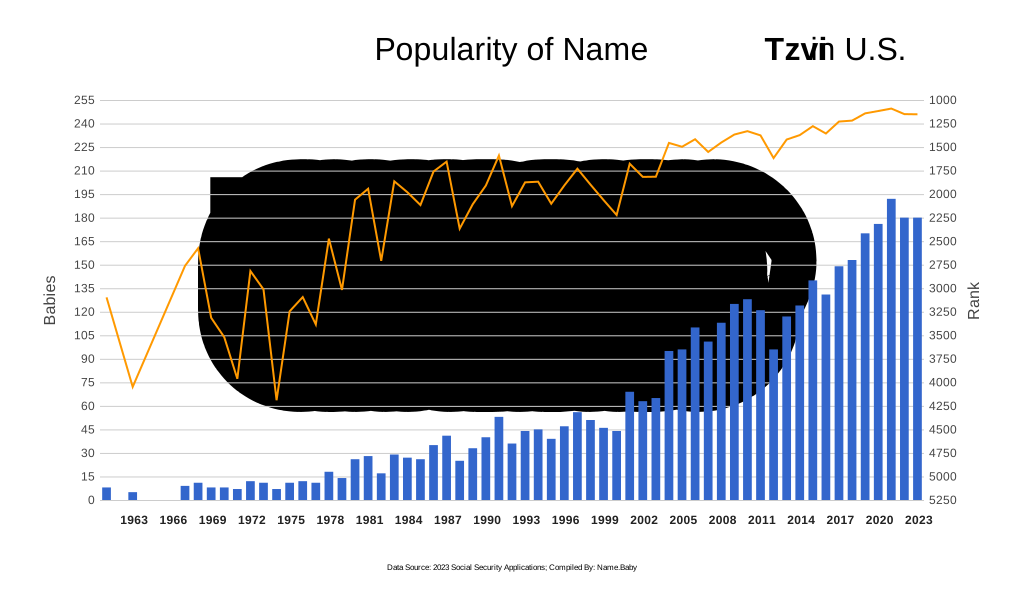
U.S. Popularity Chart
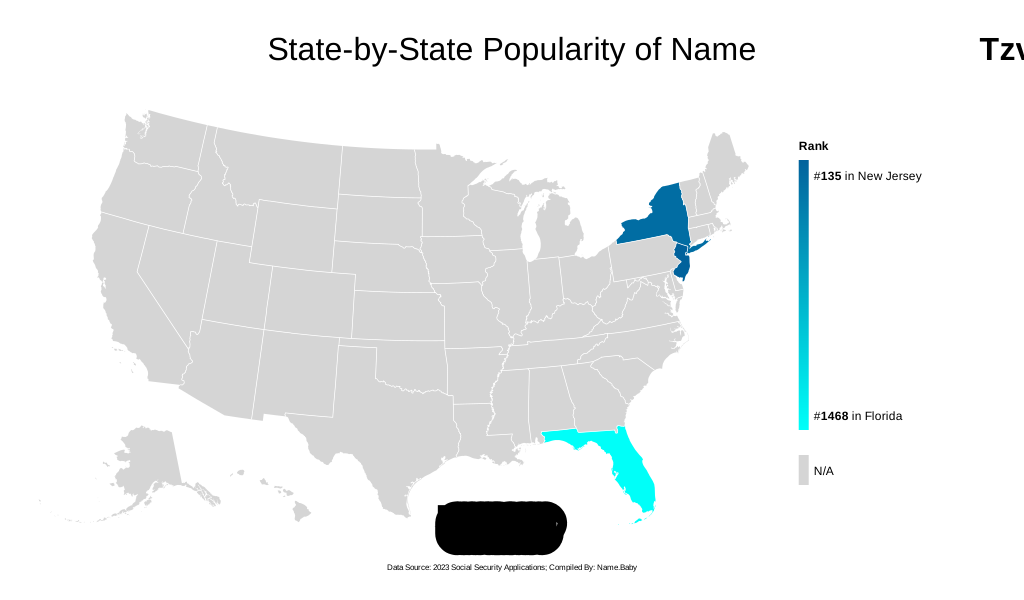
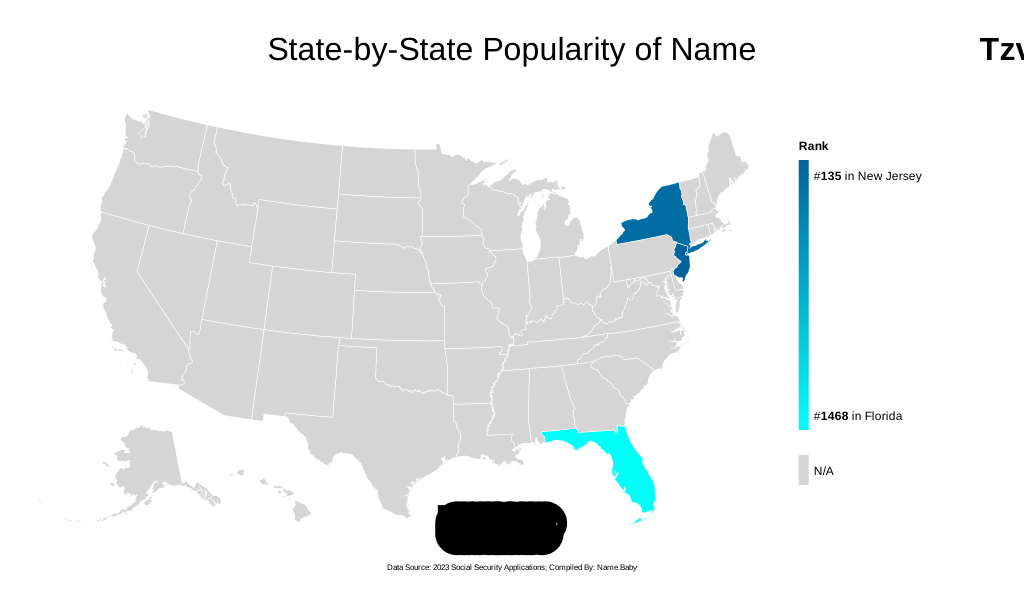
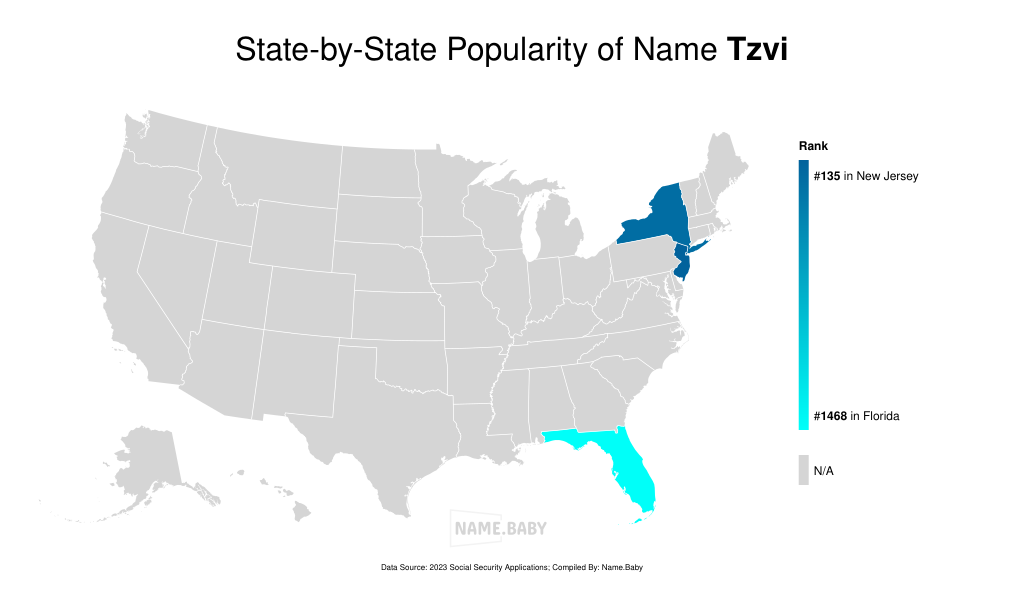
States Popularity Chart
Notable People Named Tzvi
| Tzvi Hirsch Ashkenazi was a fiercely independent Amsterdam rabbi known as the Hakham Tzvi who opposed the followers of Sabbatai Zevi and wrote highly respected responsa. |
| Tzvi Pesach Frank was a celebrated scholar of Jewish law who served as Chief Rabbi of Jerusalem from 1936 to 1960. |
| Tzvi Freeman is a Canadian Chabad rabbi and author known for his writings on Jewish mysticism, including the book Bringing Heaven Down to Earth. |
| Tzvi Tzur was an Israeli officer who served as the sixth Chief of Staff of the IDF from 1961 to 1963. |
| Tzvi Gluckin is an American author, speaker, and musician who lectures on college campuses and directs Vechulai, a Jewish think tank in Boston. |
| Tzvi Avni is an acclaimed Israeli composer whose work helped shape modern classical music in Israel. |
| Tzvi Elimelech Spira of Dinov (1783 to 1841) was an influential Hasidic Rebbe in Poland who founded the Dinov Dynasty and is best remembered for his classic work Bnei Yissachar. |
